Hormone Imbalance, Inflammation, and Weight Gain: How Processed Foods Are Affecting Your Health
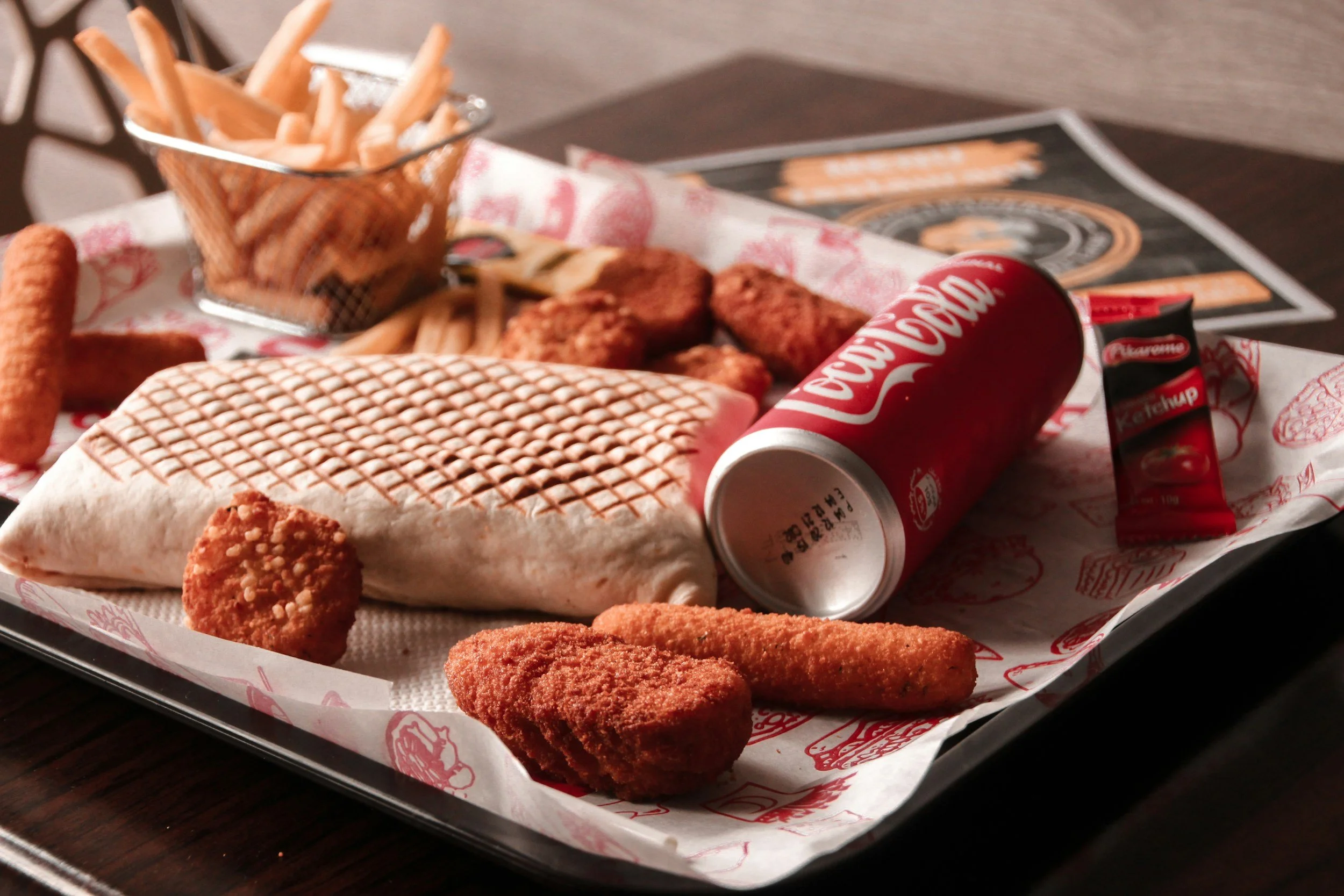
On a busy weekday, food decisions are rarely intentional. So convenience wins. A protein bar. A drive-thru meal. Something quick, processed, and “good enough.” Individually, these choices don’t seem like a problem. But over time, they quietly shift your biology. How? They affect your hormones, metabolism, energy, mood, and long-term health.
What Most People Miss: Inflammation Is a Hormone Problem
Inflammation isn’t just about joint pain or illness. It’s a metabolic and hormonal signal. Acute inflammation is normal. It helps you heal. But chronic low-grade inflammation is different. It stays turned on.
And when that happens, it directly disrupts:
insulin signaling
cortisol regulation
estrogen and progesterone balance
testosterone levels (in both men and women)
This is where things start to show up clinically.
The Symptoms Patients Actually Notice
This is what people come in complaining about:
fatigue that doesn’t improve with sleep
weight gain, especially in the midsection
brain fog
mood swings or irritability
poor recovery from workouts
low libido
disrupted sleep
These are downstream effects of metabolic inflammation and hormone disruption.
How Processed Foods Drive This
Most modern diets are built around highly processed foods. These foods are engineered for shelf life, taste, and convenience. But they alter physiology in predictable ways. Here is how:
1. Refined Carbohydrates → Insulin Spikes → Fat Storage
Processed foods are often low in fiber and high in refined carbs.
This leads to:
rapid glucose spikes
repeated insulin surges
eventual insulin resistance
Insulin resistance is not just a blood sugar issue. It is directly linked to:
weight gain
increased abdominal fat
lower testosterone in men
worsening estrogen dominance in women
2. Chronic Inflammation → Suppressed Testosterone + Hormone Imbalance
Inflammatory cytokines (like IL-6 and TNF-alpha) have been shown to:
reduce Leydig cell function → lower testosterone production
interfere with ovarian signaling
worsen PMS, perimenopause symptoms, and fatigue
This applies to both men and women.
Low testosterone in women is often missed—but clinically presents as:
low motivation
brain fog
decreased muscle mass
increased fat mass
3. Industrial Oils + Oxidative Stress
Many processed foods contain heavily refined oils exposed to high heat.
This increases:
oxidative stress
inflammatory signaling
Oxidative stress directly impacts:
mitochondrial function (your energy production)
hormone receptor sensitivity
Meaning even if hormone levels are “normal,” they may not work properly.
4. Gut Disruption → Hormone Dysregulation
Your gut is not just for digestion.
It plays a major role in:
immune signaling
estrogen metabolism
inflammation control
Processed foods and additives can disrupt the gut microbiome.
This can lead to:
increased intestinal permeability
higher systemic inflammation
impaired estrogen clearance
Clinically, this shows up as:
bloating
skin issues
hormone fluctuations
Why This Matters More in Perimenopause, Menopause, and Low Testosterone States
If you’re already dealing with:
perimenopause
menopause
low testosterone
weight loss resistance
Your system is already more sensitive. Inflammation amplifies everything. That’s why patients say: “I’m doing everything right, but nothing is working.”
Because it’s not just calories. It’s metabolic signaling.
The Reality: You Can’t Out-Supplement a Processed Diet
This is where most people get it wrong. They try to fix symptoms with:
supplements
hormones
medications
But ignore the underlying environment. If inflammation stays high:
hormones don’t work as well
weight loss stalls
energy stays inconsistent
What Actually Works
Focus on:
protein + fiber at every meal → stabilizes blood sugar
whole foods over packaged foods → reduces inflammatory load
healthy fats (olive oil, omega-3s) → supports hormone function
consistent eating patterns → improves insulin sensitivity
Where Medical Treatment Fits In
This is where personalized care matters. For some patients, lifestyle changes are not enough on their own.
That’s when we consider:
Hormone Therapy
Testosterone Therapy for Women and Men
Medical Weight Loss (Tirzepatide, Semaglutide)
These treatments work best when inflammation is addressed. Otherwise, you’re working against your own biology.
The Bottom Line
Inflammation is not just a buzzword. It’s a driver of hormone imbalance, weight gain, fatigue, and long-term disease.
And one of the biggest contributors? Everyday convenience foods. Over time, they change how your body handles blood sugar, hormones, and energy.
At Wellness by NP, I take a different approach. I don’t just look at whether your labs fall into a “normal” range. I look at the full picture and help men and women:
balance hormones
improve energy, mood, and sleep
lose weight in a sustainable way
understand what’s actually going on in their body
Hormone Therapy and Medical Weight Loss in Sarasota and Surrounding Areas
I work with patients across Sarasota, Bradenton, Venice, and Lakewood Ranch who are dealing with:
weight gain that doesn’t make sense
low energy and brain fog
perimenopause and menopause symptoms
low testosterone in men and women
My focus includes hormone therapy in Sarasota, helping women through perimenopause and menopause, as well as testosterone therapy in Sarasota for both men and women. I also offer medical weight loss in Sarasota, including Tirzepatide and Semaglutide, for patients struggling with weight that isn’t responding to diet and exercise alone.
Book Your Consultation.
Serving Sarasota, Bradenton, Venice, and Lakewood Ranch