
Medical Weight Loss Program
Medical weight loss for stubborn weight gain, food cravings, insulin resistance, menopause weight gain, and metabolic health.
Initial Consultation $125
Applied towards your treatment if you enroll within 30 days
Wellness by NP provides medically supervised weight loss in Sarasota, Florida, with telehealth available throughout Florida for eligible patients. Care may include metabolic lab review, hormone evaluation, nutrition guidance, lifestyle support, and prescription medication options when clinically appropriate.

Who May Benefit From Medical Weight Loss
Weight gain is not always a matter of willpower.
Many adults find that the strategies that worked in their 20s and 30s become less effective over time. Hormonal changes, insulin resistance, chronic stress, poor sleep, certain medications, and age-related metabolic changes can all make weight loss more difficult.
For women, perimenopause and menopause may contribute to increased abdominal fat, changes in appetite, reduced muscle mass, and a slower metabolic rate. For men, declining testosterone levels can affect body composition, energy levels, muscle mass, and fat distribution.
Many patients come to us feeling frustrated because they are exercising regularly, making healthy food choices, and still struggling to lose weight. Understanding the underlying factors contributing to weight gain is often the first step toward creating an effective and sustainable weight-loss plan.
Medical weight loss may be appropriate for individuals struggling with obesity, overweight, insulin resistance, menopause-related weight gain, metabolic dysfunction, or persistent difficulty losing weight despite diet and exercise.
Common reasons patients seek medical weightloss care
Stubborn weight gain, menopause weight gain, perimenopause weight changes, insulin resistance, prediabetes, PCOS, increased belly fat, food cravings, emotional eating, weight regain after dieting, slow metabolism, low energy, and difficulty losing weight despite diet and exercise.

What Happens If You Start

Step 1 — Consultation
Review symptoms, appetite, weight & medical history.
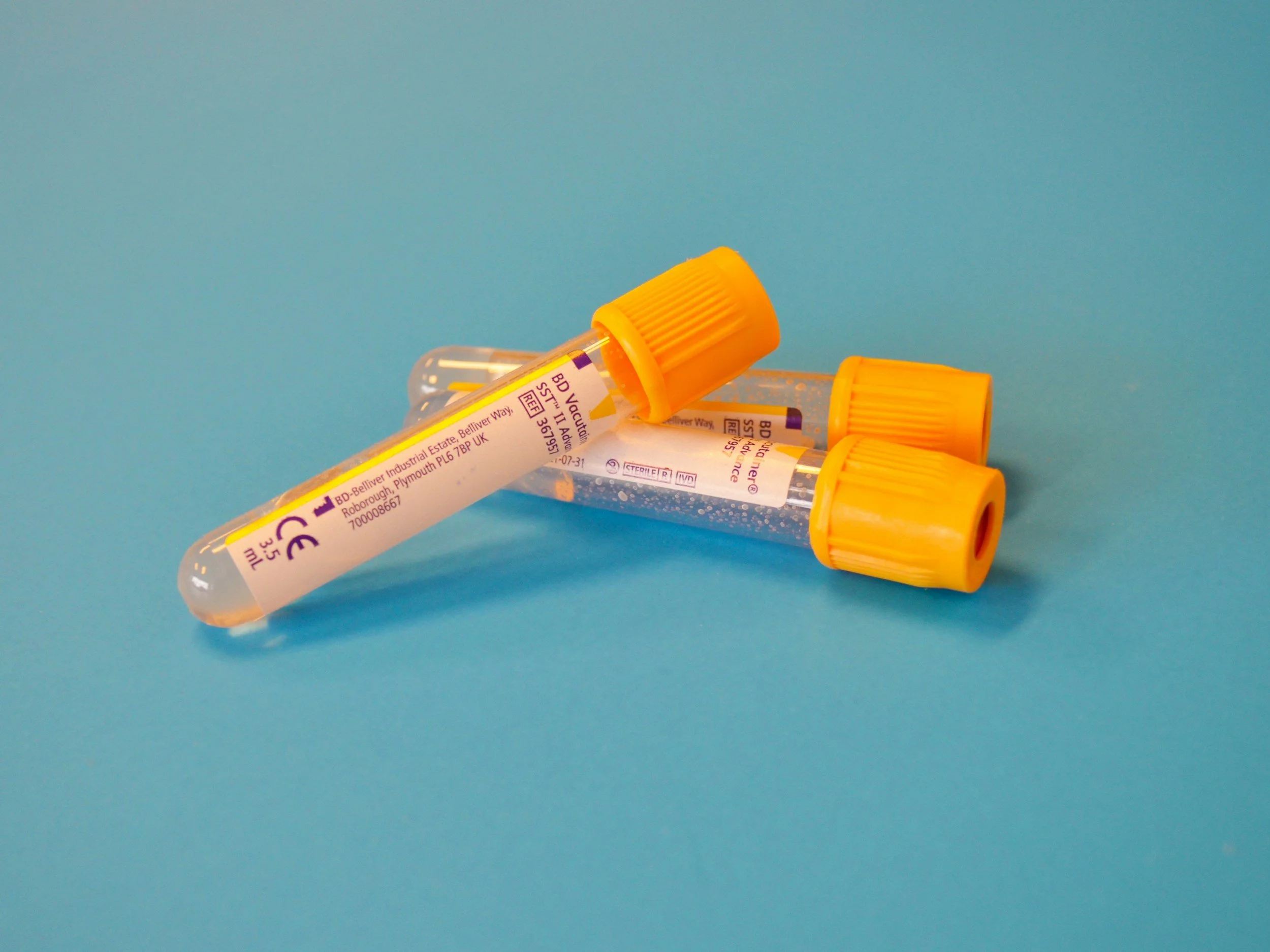
Step 2 — Lab evaluation
Assess metabolic and hormone markers when appropriate.

Step 3 — Personalized Treatment Plan
Nutrition guidance, lifestyle strategies, and medication when appropriate

Step 4 — Ongoing Monitoring
Regular follow-up visits to monitor progress, and support sustainable long-term results.
Medical Weight Loss Program Options
Programs are structured to support different stages of treatment. Most patients begin with the Starter plan and adjust as their body responds.
-
Designed to support appetite control and reduce cravings
Starting at $235/month
This is a medically guided weight loss program designed to help you lose weight by improving appetite control and supporting consistent, sustainable progress.
Treatment is based on your clinical evaluation and adjusted over time based on how your body responds.What’s Included
Monthly provider visits (in-person or virtual)
Ongoing dose adjustments based on your response
Direct messaging for questions and support
Medication coordination and home delivery (when appropriate)
Continuous monitoring throughout your care
Who This Is For
You struggle with constant hunger or cravings
You feel like you’re always thinking about food
You need help controlling portions
You want a simple, effective starting point
You’re not looking for a more aggressive or complex approach
Labs
Baseline labs are required for safety before starting treatment.
Recent labs (within 6 months) may be accepted.
Labs are not included in program cost.Pricing
Starting at $235/month
Medication amount varies based on your plan and response
Important Notes
Cash-pay program (insurance not billed)
We do not complete prior authorizations
-
For those who need deeper support beyond appetite control
Starting at $285/month
This is a medically guided weight loss program designed to support appetite control and sustainable progress. Treatment is individualized based on your clinical evaluation and adjusted over time as your body responds.
What’s Included
Monthly provider visits (in-person or virtual)
Ongoing dose adjustments based on your response
Direct messaging for questions and support
Medication coordination and home delivery (when appropriate)
Continuous monitoring throughout your care
Labs
Baseline labs are required for safety prior to starting treatment.
Recent labs (within 6 months) may be accepted.
Labs are not included in program cost.Pricing
Programs start at $285/month
Pricing may adjust as treatment is individualized and doses are optimized
Important Notes
Cash-pay program (insurance not billed)
We do not complete prior authorizations
-
Starting at $189/month
Designed for patients who prefer oral weight loss strategies or who are not candidates for injectable GLP-1 therapy. This program focuses on ongoing medical management, monitoring, and prescription coordination, with treatment individualized based on clinical response.
Program pricing reflects medical care and clinical oversight
What’s Included
Clinical visit during the treatment interval (in person or online)
Secure direct messaging for clinical questions
Prescription management for oral therapy when clinically appropriate
Medication coordination and shipping when applicable
Ongoing monitoring
Program pricing reflects medical care and clinical oversight during the treatment interval. Medication, when prescribed, is part of the care plan and not the basis of program fees.
Baseline Lab Evaluation
For safety and appropriate medical decision-making, baseline laboratory testing is required for all medical weight loss programs, including injectable GLP-1 therapies and oral medications. Recent lab work may be accepted when available. In general, labs obtained within the past 6 months are acceptable.
Oral Medication Options May Include (when medically appropriate):
Medications that support metabolic function and insulin sensitivity
Medications that help regulate appetite, cravings, and reward pathways
Combination oral therapies tailored to individual metabolic and hormonal needs
Additional oral strategies selected based on personal history, goals, and response
All medications are prescribed only after a medical evaluation and individualized treatment planning.
EKG Requirement for Certain Medications
Some oral weight loss medications, including stimulant-based or combination therapies, may require a baseline electrocardiogram (EKG/ECG) prior to prescribing for safety.
This practice operates as a cash-pay clinic and does not bill insurance
EKGs are not performed in-office
When required, patients may complete an EKG at a local clinic or urgent care on a self-pay basis
Results are reviewed prior to medication initiation

Understanding Injectable Weight-Loss Medications
Medical weight-loss injections are commonly used in Florida and nationwide to support appetite control and metabolic health. These medications help regulate appetite, increase feelings of fullness, slow digestion, and improve metabolic efficiency.
Some medications act on one pathway, while others act on two pathways. This difference explains why certain patients respond well to one option and not another.
Single-Pathway Injectable
(GLP-1 Support)
Single-pathway injectables work on the GLP-1 (glucagon-like peptide-1) receptor, a key hormone involved in appetite regulation.
How this pathway works
GLP-1 signaling:
Reduces hunger and food cravings
Increases satiety (feeling full sooner)
Slows gastric emptying
Helps regulate post-meal blood sugar
Large clinical trials have shown that GLP-1–based therapy, when combined with lifestyle intervention, can lead to average weight reductions of approximately 10–15% over about one year, with some patients achieving greater results.
Who often does well with a single-pathway approach
Patients new to injectable therapy
Individuals whose primary challenge is appetite control
Those seeking steady, predictable progress
Patients who prefer a gentler metabolic shift
Dual-Pathway Injectable
(GLP-1 + GIP Support)
Dual-pathway injectables act on two complementary receptors: GLP-1 and GIP (glucose-dependent insulinotropic peptide).
How dual-pathway support differs
In addition to appetite regulation, GIP signaling influences:
Insulin response and glucose handling
Energy utilization
Metabolic efficiency in some individuals
This means weight loss may be driven not only by eating less, but also by improved metabolic responsiveness.
In large head-to-head clinical trials, dual-pathway therapy has demonstrated greater average weight loss than single-pathway GLP-1 therapy, with some studies reporting average reductions exceeding 15–20% of body weight over approximately one year, depending on dose and individual response.
Who may benefit from dual-pathway support
Patients with metabolic resistance or insulin resistance
Individuals who have plateaued on other therapies
Those who require stronger appetite and metabolic signaling
Because dual-pathway therapy is more potent, careful dose titration and close monitoring are especially important.
Oral & Metabolic Medication Options
Injectable therapy is not appropriate for everyone. In some cases, oral medications may be used alone or alongside injectables to support weight management and metabolic health.
When clinically appropriate, oral prescription therapies may include:
Metformin – supports insulin sensitivity and glucose metabolism; often helpful for metabolic dysfunction or insulin resistance
Naltrexone/Bupropion combinations – target cravings and reward-based eating patterns
Other oral agents – used selectively based on medical history, cardiovascular risk, and treatment goals
Oral medications generally provide modest weight-loss support compared to injectables but can play an important role in a comprehensive plan.
Wellness by NP provides medically supervised medical weight loss care in Sarasota, Bradenton, Venice, and Lakewood Ranch, Florida, with telehealth available throughout Florida for eligible patients. Patients commonly seek care for menopause-related weight gain, insulin resistance, food cravings, metabolic dysfunction, weight-loss plateaus, and difficulty losing weight despite diet and exercise. Treatment plans are individualized and may include metabolic evaluation, nutrition guidance, lifestyle support, laboratory testing when appropriate, and prescription medications when clinically indicated.
-
When clinically appropriate, medications used in our programs may be custom-compounded by licensed U.S. compounding pharmacies to allow for individualized dosing and improved tolerability.
Important disclosure:
FDA-approved brand-name versions of these medications are commercially available through retail pharmacies. Our clinic does not dispense brand-name injectable products. Compounded medications are not FDA-approved and are prescribed only when medically appropriate under clinical supervision. -
Choosing the right approach depends on:
Medical history and metabolic health
Appetite patterns and prior weight-loss response
Tolerance and side-effect sensitivity
Long-term sustainability
We guide patients through this decision thoughtfully, adjusting therapy as the body responds over time.